





Important Safety Information Prescribing Information
Saxenda® (liraglutide) injection 3 mg Wegovy® (semaglutide) tablets 25 mg and injection 2.4 mg, HD injection 7.2 mg
Support for patients
Novo Nordisk® logo
NovoCare® Savings | Coverage | Support NovoCare® Savings | Coverage | Support
Novo Nordisk® logo
Home
Check insurance coverage
Savings and support
NovoCare® Pharmacy
Important Safety Information Prescribing Information Support for patients
Obesity Select condition

Resources for you, support for your patients

To help you support your patients as they start their treatment, NovoCare® offers live support through a Case Manager who can assist with a benefits investigation, prior authorization or appeal coordination, and savings offer enrollment.

To get started, download and fill out the patient enrollment form. For assistance with your request, call 1‑888‑809‑3942.

Paper and pen icon
Download now

When complete, fax the Patient Enrollment form to 1‑844‑667‑3475.

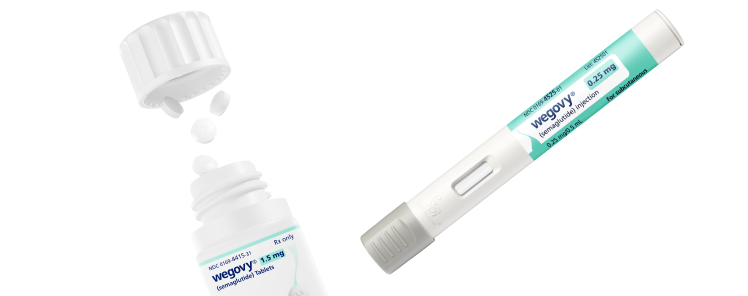
Wegovy® semaglutide tablets 25 mg, semaglutide injection 1.7 mg, 2.4 mg, 7.2 mg logo
Now patients can get their Wegovy® prescription for less

Ask your patients to download the savings offer on Wegovy.com

Commercially covered patients

Pay as little as

$25a

1-month supply

All doses

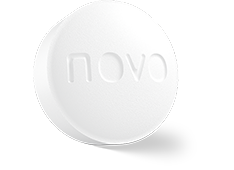
Wegovy® pill
or
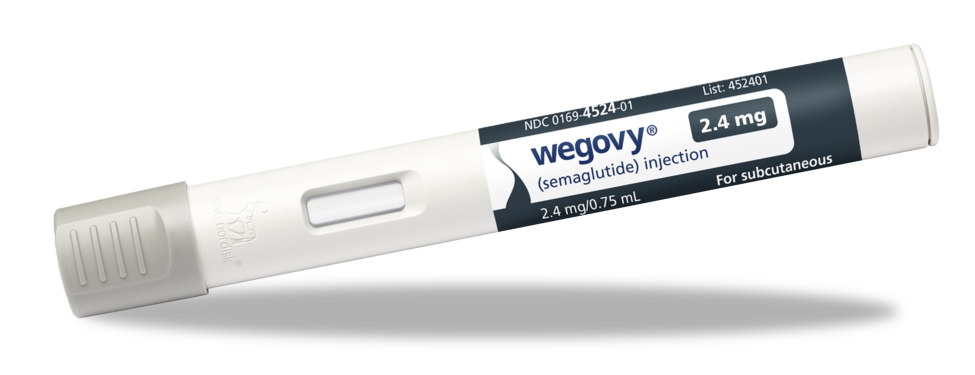
Wegovy® (semaglutide) injection 2.4 mg pen

New self-pay or uninsured patients

Starting at

$149b

per month

1.5 mg or 4 mg doses

Wegovy® pill

$299 per month for 9 mg or 25 mg doses


Introductory offer

$199c

per month for the first 2 months for new patients

0.25 mg or 0.5 mg doses

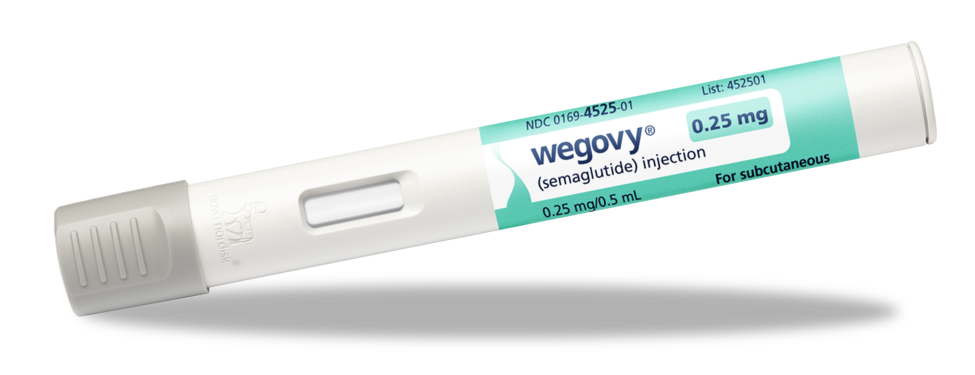
Wegovy® (semaglutide) injection 0.25 mg pen

$349 per month for existing patients, all doses


New dose available

$399

per month
 

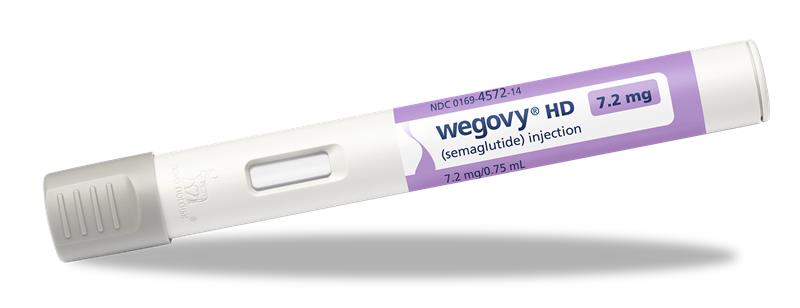
Wegovy® HD (semaglutide) injection 7.2 mg pen

aPay as little as $25, subject to a maximum savings of $100/month. Eligibility and restrictions apply. Government beneficiaries excluded. Month defined as 1 box of 4 pens of Wegovy® and 1 bottle of 30 tablets of Wegovy®. Novo Nordisk reserves the right to modify or cancel this program at any time. See full terms at WegovyTerms.com and NovoCarePharmacyTerms.com.
bSelf-pay pricing varies by dose. Eligibility and restrictions apply. One month defined as 1 bottle of 30 tablets. Novo Nordisk reserves the right to modify or cancel this program at any time. See full terms at WegovyTerms.com and NovoCarePharmacyTerms.com.
cPatients new to the Wegovy® Savings offer or NovoCare® Pharmacy pay $199 for each month of 0.25 mg & 0.5 mg. Offer for 2 monthly fills through June 30, 2026, then $349 per month for Wegovy® 0.25mg, 0.5mg, 1mg, 1.7mg, or 2.4mg. Eligibility and restrictions apply. One month defined as 1 box of 4 pens of Wegovy®. Novo Nordisk reserves the right to modify or cancel this program at any time. See full terms at WegovyTerms.com and NovoCarePharmacyTerms.com.

Email icon

Email this information to your patient.
Ensure your patient has access to this email account so you can share this information with them.

Send

email confirmation icon

An email has been sent to the address you provided.

Section to display an error.

printer icon

A PDF should have opened in a separate browser window.
You can print the information for your patient from that window.

NovoCare_HCP_Wegovy_v03 Skip to main content

Important Safety Information for Wegovy®

WARNING: RISK OF THYROID C-CELL TUMORS

  • In rodents, semaglutide causes dose-dependent and treatment-duration-dependent thyroid C-cell tumors at clinically relevant exposures. It is unknown whether Wegovy® causes thyroid C-cell tumors, including medullary thyroid carcinoma (MTC), in humans as human relevance of semaglutide-induced rodent thyroid C-cell tumors has not been determined 
  • Wegovy® is contraindicated in patients with a personal or family history of MTC or in patients with Multiple Endocrine Neoplasia syndrome type 2 (MEN 2). Counsel patients regarding the potential risk for MTC with the use of Wegovy® and inform them of symptoms of thyroid tumors (e.g. a mass in the neck, dysphagia, dyspnea, persistent hoarseness). Routine monitoring of serum calcitonin or using thyroid ultrasound is of uncertain value for early detection of MTC in patients treated with Wegovy®

Indications and Usage

Wegovy® (semaglutide) injection and Wegovy® (semaglutide) tablets are indicated in combination with a reduced calorie diet and increased physical activity to:

  • Reduce the risk of major adverse cardiovascular (CV) events (CV death, non-fatal myocardial infarction, or non-fatal stroke) in adults with established CV disease and either obesity or overweight
  • Reduce excess body weight and maintain weight reduction long term in adults with obesity or with overweight in the presence of at least one weight-related comorbidity

Limitations of Use

Concomitant use of Wegovy® tablets or Wegovy® injection with other semaglutide-containing products or with any GLP-1 receptor agonist is not recommended

Important Safety Information

Contraindications

  • Wegovy® is contraindicated in patients with a personal or family history of MTC or in patients with MEN 2, and in patients with a prior serious hypersensitivity reaction to semaglutide or to any of the excipients in Wegovy®. Serious hypersensitivity reactions, including anaphylaxis and angioedema have been reported with Wegovy®

Warnings and Precautions

  • Risk of Thyroid C-Cell Tumors: Patients should be further evaluated if serum calcitonin is measured and found to be elevated or thyroid nodules are noted on physical examination or neck imaging
  • Acute Pancreatitis: Acute pancreatitis, including fatal and non-fatal hemorrhagic or necrotizing pancreatitis, has been observed in patients treated with GLP-1 receptor agonists, including Wegovy®. Observe patients carefully for signs and symptoms of acute pancreatitis, which may include persistent or severe abdominal pain (sometimes radiating to the back), and which may or may not be accompanied by nausea, or vomiting. If pancreatitis is suspected, discontinue Wegovy® and initiate appropriate management
  • Acute Gallbladder Disease: Treatment with Wegovy® is associated with an increased occurrence of cholelithiasis and cholecystitis. The incidence of cholelithiasis and cholecystitis was higher in Wegovy® injection-treated pediatric patients aged ≥12 years than in Wegovy® injection-treated adults. In clinical trials in adult patients, cholelithiasis was reported by 1.6% of Wegovy® injection-treated patients and 0.7% of placebo treated patients, and by 2.5% of Wegovy® tablet-treated patients and 1% of placebo treated patients. Cholecystitis was reported by 0.6% of Wegovy® injection-treated adult patients and 0.2% of placebo treated patients. In a clinical trial in pediatric patients aged ≥12 years, cholelithiasis was reported by 3.8% of Wegovy® injection-treated patients and 0% placebo treated patients. Cholecystitis was reported by 0.8% of Wegovy® injection-treated pediatric patients and 0% placebo treated patients. Substantial or rapid weight loss can increase the risk of cholelithiasis; however, the incidence of acute gallbladder disease was greater in Wegovy® patients than in placebo patients, even after accounting for the degree of weight loss. If cholelithiasis is suspected, gallbladder studies and appropriate clinical follow-up are indicated
  • Hypoglycemia: Wegovy® lowers blood glucose and can cause hypoglycemia. In a trial of Wegovy® injection in adult patients with type 2 diabetes (T2D) and a BMI ≥ to 27 kg/m2, hypoglycemia was reported in more patients treated with Wegovy® versus placebo. In glycemic control clinical trials, the risk of hypoglycemia was increased when semaglutide injection or tablet was used concomitantly with insulin or an insulin secretagogue (e.g., sulfonylurea). Patients with diabetes taking Wegovy® with an insulin or insulin secretagogue may have an increased risk of hypoglycemia, including severe hypoglycemia. The use of Wegovy® in patients with type 1 diabetes or in combination with insulin has not been evaluated. Inform patients of the risk of hypoglycemia and educate them on the signs and symptoms. Monitor blood glucose in patients with diabetes
  • Acute Kidney Injury Due to Volume Depletion: There have been postmarketing reports of acute kidney injury, in some cases requiring hemodialysis, in patients treated with semaglutide. The majority of the reported events occurred in patients who experienced gastrointestinal reactions leading to dehydration such as nausea, vomiting, or diarrhea. Monitor renal function in patients reporting adverse reactions to Wegovy® that could lead to volume depletion, especially during initiation and escalation of Wegovy®
  • Severe Gastrointestinal (GI) Adverse Reactions: Use of Wegovy® has been associated with GI adverse reactions, sometimes severe. In adult clinical trials, severe GI adverse reactions were reported more frequently among patients receiving Wegovy® than placebo. Severe GI adverse reactions were reported in 4.1% and 0.9% of Wegovy®-injection treated and placebo treated patients, respectively, and in 2% of Wegovy® tablet-treated and 0% of placebo treated patients, respectively. Severe GI adverse reactions have also been reported postmarketing with GLP-1 receptor agonists. Wegovy® is not recommended in patients with severe gastroparesis
  • Hypersensitivity Reactions: Serious hypersensitivity reactions (e.g., anaphylaxis, angioedema) have been reported with Wegovy®. If hypersensitivity reactions occur, discontinue use of Wegovy®, treat promptly per standard of care, and monitor until signs and symptoms resolve. Use caution in a patient with a history of anaphylaxis or angioedema with another GLP-1 receptor agonist
  • Diabetic Retinopathy Complications in Patients with T2D: In a trial of adult patients with T2D and BMI ≥ to 27 kg/m2, diabetic retinopathy was reported by 4% of Wegovy® injection-treated patients and 2.7% of placebo patients. In a glycemic control trial evaluating a dose comparable to the 9 mg dose and the 25 mg semaglutide tablet doses in patients with T2D, 1.3% and 1.9% of patients in the 9 mg and 25 mg semaglutide group, respectively, reported moderate-severe non-proliferative diabetic retinopathy events, and 0% and 0.4% reported proliferative retinopathy events, respectively. Rapid improvement in glucose control has been associated with a temporary worsening of diabetic retinopathy. Patients with a history of diabetic retinopathy should be monitored for progression of diabetic retinopathy 
  • Heart Rate Increase: Mean increases in resting heart rate of 1 to 4 beats per minute (bpm) were observed in Wegovy® injection-treated adult patients compared to placebo in clinical trials. More adults treated with Wegovy® injection compared with placebo had maximum changes from baseline of 10 to 19 bpm (41% vs 34%) and 20 bpm or more (26% vs 16%). In a clinical trial in pediatric patients aged ≥12 years with normal baseline heart rate, more patients treated with Wegovy® injection compared to placebo had maximum changes in heart rate of 20 bpm or more (54% vs 39%). Findings were similar in a trial with the Wegovy® tablets. Monitor heart rate at regular intervals and instruct patients to report palpitations or feelings of a racing heartbeat while at rest. If patients experience a sustained increase in resting heart rate, discontinue Wegovy®
  • Pulmonary Aspiration During General Anesthesia or Deep Sedation: Wegovy® delays gastric emptying. There have been rare postmarketing reports of pulmonary aspiration in patients receiving GLP-1 receptor agonists undergoing elective surgeries or procedures requiring general anesthesia or deep sedation who had residual gastric contents despite reported adherence to preoperative fasting recommendations. Instruct patients to inform healthcare providers prior to any planned surgeries or procedures if they are taking Wegovy®

Adverse Reactions

  • Most common adverse reactions (incidence ≥5%) are: nausea, diarrhea, vomiting, constipation, abdominal pain, dysesthesia, headache, fatigue, dyspepsia, dizziness, abdominal distention, eructation, hypoglycemia in patients with T2D, flatulence, gastroenteritis, gastroesophageal reflux disease, and hair loss

Drug Interactions

  • When initiating Wegovy®, consider reducing the dose of concomitantly administered insulin secretagogues or insulin to reduce the risk of hypoglycemia. The addition of Wegovy® in patients treated with insulin has not been evaluated
  • Wegovy® causes a delay of gastric emptying and has the potential to impact the absorption of concomitantly administered oral medications. Monitor the effects of oral medications concomitantly administered with Wegovy®. Consider increased clinical or laboratory monitoring for medications that have a narrow therapeutic index or that require clinical monitoring

Use in Specific Populations

  • Pregnancy: May cause fetal harm. When pregnancy is recognized, advise the pregnant patient of the risk to a fetus. Discontinue Wegovy® in pregnant patients who are using Wegovy® for weight reduction or at least 2 months before a planned pregnancy
  • Lactation: A clinical lactation study reported semaglutide concentrations below the lower limit of quantification in human breast milk. However, salcaprozate sodium (SNAC) and/or its metabolites are present in human milk. Because of the unknown potential for serious adverse reactions in the breastfed infant due to the possible accumulation of SNAC, an absorption enhancer for Wegovy® tablets, and because there are alternative formulations of semaglutide that do not contain SNAC that can be used during lactation, advise patients that breastfeeding is not recommended during treatment with Wegovy® tablets
  • Pediatric: Adverse reactions with Wegovy® injection-treated pediatric patients ≥12 years with obesity were similar to those reported in adults. Pediatric patients ≥12 years treated with Wegovy® injection had greater incidences of cholelithiasis, cholecystitis, hypotension, rash, and urticaria compared to adults treated with Wegovy®. There are insufficient data in pediatric patients with T2D treated with Wegovy® injection for obesity to determine if there is an increased risk of hypoglycemia with Wegovy® injection treatment similar to that reported in adults.

    The safety and effectiveness of Wegovy® injection have not been established in pediatric patients to reduce the risk of major adverse CV events or to reduce excess body weight and maintain weight reduction long term with the 7.2 mg once weekly dosage or in those <12 years.

    The safety and effectiveness of Wegovy® tablets have not been established in pediatric patients
  • Geriatric: In the CV outcomes trial, patients ≥75 years reported more hip and pelvis fractures on Wegovy® injection than placebo.  Patients ≥75 years (Wegovy® injection and placebo) reported more serious adverse reactions overall compared to younger adult patients
  • Type 2 Diabetes: Wegovy® tablets have not been studied for weight reduction in adults with T2D and obesity or overweight. Administration of Wegovy® injection resulted in less weight reduction in patients with T2D and obesity or overweight compared to those without T2D and obesity or overweight

Please see Wegovy® Prescribing Information, including Boxed Warning.


NovoCare_HCP_Saxenda_v01 Skip to main content

Important Safety Information for Saxenda®

WARNING: RISK OF THYROID C-CELL TUMORS

Liraglutide causes dose-dependent and treatment-duration-dependent thyroid C-cell tumors at clinically relevant exposures in both genders of rats and mice. It is unknown whether Saxenda® causes thyroid C-cell tumors, including medullary thyroid carcinoma (MTC), in humans, as the human relevance of liraglutide-induced rodent thyroid C-cell tumors has not been determined.

Saxenda® is contraindicated in patients with a personal or family history of MTC and in patients with Multiple Endocrine Neoplasia syndrome type 2 (MEN 2). Counsel patients regarding the potential risk of MTC with use of Saxenda® and inform them of symptoms of thyroid tumors (eg, a mass in the neck, dysphagia, dyspnea, persistent hoarseness). Routine monitoring of serum calcitonin or using thyroid ultrasound is of uncertain value for early detection of MTC in patients treated with Saxenda®.

Indications and Usage

Saxenda® (liraglutide) injection 3 mg is indicated in combination with reduced-calorie diet and increased physical activity to reduce excess body weight and maintain weight reduction long term in:

  • Adults and pediatric patients aged 12 years and older with body weight greater than 60 kg and obesity
  • Adults with overweight in the presence of at least one weight related comorbid condition

Limitations of Use

  • Saxenda® contains liraglutide and should not be coadministered with other liraglutide-containing products or with any other GLP-1 receptor agonist
  • The safety and effectiveness of Saxenda® in pediatric patients with type 2 diabetes have not been established

Important Safety Information

Contraindications

Saxenda® is contraindicated in:

  • Patients with a personal or family history of MTC or patients with MEN 2
  • Patients with a serious hypersensitivity reaction to liraglutide or to any of the excipients in Saxenda®. Serious hypersensitivity reactions including anaphylactic reactions and angioedema have been reported with Saxenda®

Warnings and Precautions

  • Risk of Thyroid C-cell Tumors: If serum calcitonin is measured and found to be elevated, the patient should be further evaluated. Patients with thyroid nodules noted on physical examination or neck imaging should also be further evaluated
  • Acute Pancreatitis: Acute pancreatitis, including fatal and non-fatal hemorrhagic or necrotizing pancreatitis, has been observed in patients treated with GLP-1 receptor agonists, including liraglutide. Observe patients carefully for signs and symptoms of acute pancreatitis, which may include persistent or severe abdominal pain (sometimes radiating to the back), nausea or vomiting. If pancreatitis is suspected, discontinue Saxenda® and initiate appropriate management
  • Acute Gallbladder Disease: Substantial or rapid weight loss can increase the risk of cholelithiasis; however, the incidence of acute gallbladder disease was greater in patients treated with Saxenda® than with placebo even after accounting for the degree of weight loss. If cholelithiasis is suspected, gallbladder studies and appropriate clinical follow-up are indicated
  • Hypoglycemia: Adult patients with type 2 diabetes on an insulin secretagogue (eg, a sulfonylurea) or insulin may have an increased risk of hypoglycemia, including severe hypoglycemia with use of Saxenda®. The risk may be lowered by a reduction in the dose of insulin secretagogues or insulin. In pediatric patients without type 2 diabetes, hypoglycemia occurred. Inform all patients of the risk of hypoglycemia and educate them on the signs and symptoms
  • Heart Rate Increase: Mean increases in resting heart rate of 2 to 3 beats per minute (bpm) were observed in patients treated with Saxenda®. Monitor heart rate at regular intervals and inform patients to report palpitations or feelings of a racing heartbeat while at rest during treatment with Saxenda®. Discontinue Saxenda® in patients who experience a sustained increase in resting heart rate
  • Acute Kidney Injury Due to Volume Depletion: There have been postmarketing reports of acute kidney injury which may sometimes require hemodialysis, in patients treated with liraglutide. The majority of the reported events occurred in patients who had experienced gastrointestinal reactions leading to dehydration such as nausea, vomiting, or diarrhea. Monitor renal function in patients reporting adverse reactions to Saxenda® that could lead to volume depletion, especially during initation and escalation of Saxenda®
  • Severe Gastrointestinal Adverse Reactions: Use of Saxenda® has been associated with gastrointestinal adverse reactions, sometimes severe. In clinical trials, severe gastrointestinal adverse reactions were reported more frequently among patients receiving Saxenda® (4.8%) than placebo (1.4%). Saxenda® is not recommended in patients with severe gastroparesis
  • Hypersensitivity Reactions: Serious hypersensitivity reactions (eg, anaphylaxis and angioedema) have been reported in patients treated with Saxenda®. If a hypersensitivity reaction occurs, patients should stop taking Saxenda® and promptly seek medical advice
  • Suicidal Behavior and Ideation: In adult clinical trials, 9 (0.3%) of 3,384 patients treated with Saxenda® and 2 (0.1%) of the 1,941 treated with placebo reported suicidal ideation; one of the Saxenda® treated patients attempted suicide. In a pediatric trial, 1 (0.8%) of the 125 Saxenda® treated patients died by suicide. There was insufficient information to establish a causal relationship to Saxenda®. Monitor patients for the emergence or worsening of depression, suicidal thoughts or behavior, and/or any unusual changes in mood or behavior. Discontinue treatment if patients experience suicidal thoughts or behaviors. Avoid Saxenda® in patients with a history of suicidal attempts or active suicidal ideation
  • Pulmonary Aspiration During General Anesthesia or Deep Sedation: Saxenda® delays gastric emptying. There have been rare postmarketing reports of pulmonary aspiration in patients receiving GLP-1 receptor agonists undergoing elective surgeries or procedures requiring general anesthesia or deep sedation who had residual gastric contents despite reported adherence to preoperative fasting recommendations. Instruct patients to inform healthcare providers prior to any planned surgeries or procedures if they are taking Saxenda®

Adverse Reactions

  • The most common adverse reactions, reported in ≥5% are nausea, diarrhea, constipation, vomiting, injection site reactions, headache, hypoglycemia, dyspepsia, fatigue, dizziness, abdominal pain, increased lipase, upper abdominal pain, pyrexia, and gastroenteritis

Drug Interactions

  • Saxenda® causes a delay of gastric emptying and has the potential to impact the absorption of concomitantly administered oral medications. Monitor for potential consequences of delayed absorption of oral medications concomitantly administered with Saxenda®

Use in Specific Populations

  • Saxenda® should be used during pregnancy only if the potential benefit justifies the potential risk to the fetus.
  • There are no data on the presence of liraglutide in human breast milk; liraglutide was present in the milk of lactating rats
  • Saxenda® has not been studied in patients less than 12 years of age

Please see Saxenda® Prescribing Information, including Boxed Warning.


You are now leaving NovoCare.com

Clicking “Continue” below will take you to a website to which our Privacy Policy does not apply. Links are provided as a public service and for informational purposes only. No endorsement is made or implied.

Continue
Return to NovoCare.com

Terms of Use    Privacy Notice    Consumer Health Privacy Notice    Cookie Notice       Your Privacy Choices    Contact Us    Novo Nordisk US

Terms of Use   
Privacy Notice   
Consumer Health Privacy Notice
Cookie Notice   
   
Your Privacy Choices   
Contact Us   
Novo Nordisk US

{trademark-info}

Novo Nordisk is a registered trademark of Novo Nordisk A/S.

All other trademarks, registered or unregistered, are the property of their respective owners.

© {PRB-year} Novo Nordisk  All rights reserved. {PRB-number}  {PRB-month} {PRB-year}

Novo Nordisk® logo

You are being redirected to an another page. Do you wish to continue ?

  • Yes
  • No

Loading....