



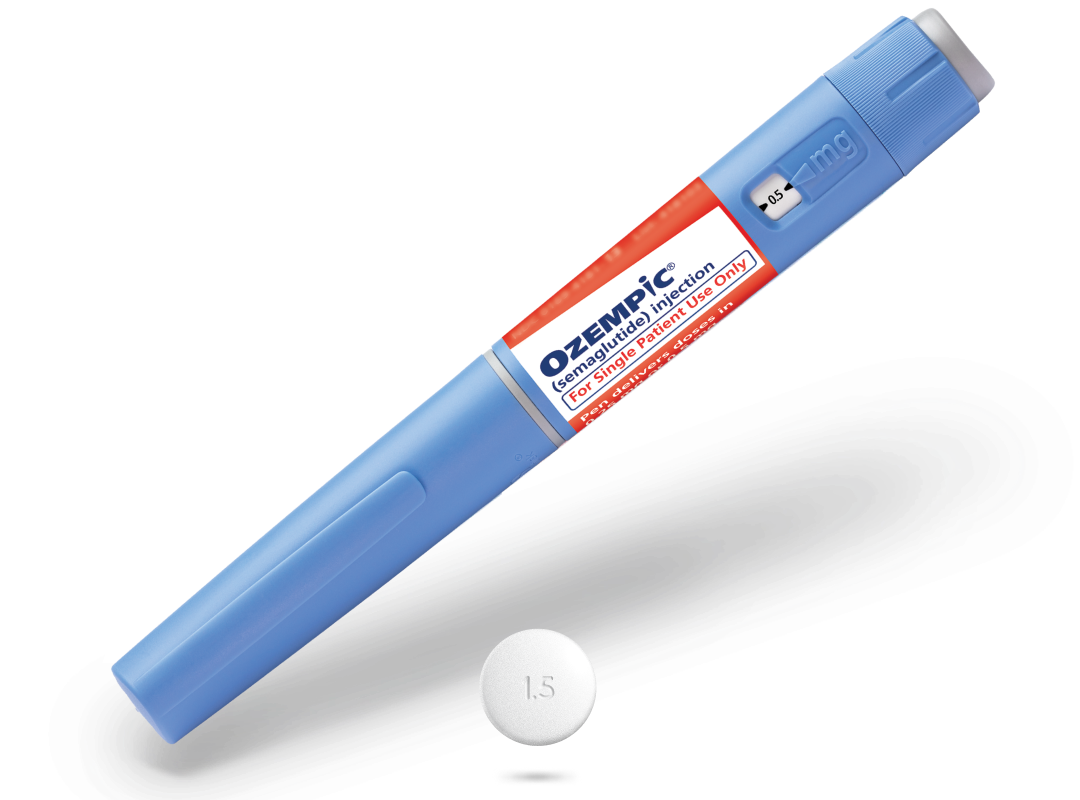

Do not share your Ozempic® pen with other people, even if the needle has been changed. You may give other people a serious infection or get a serious infection from them.
Find out how to save on Novo Nordisk medicines
You might be able to pay less for your Novo Nordisk diabetes medicine if you have private or commercial insurance (the kind you buy yourself or get through work).
Insulin savings offers
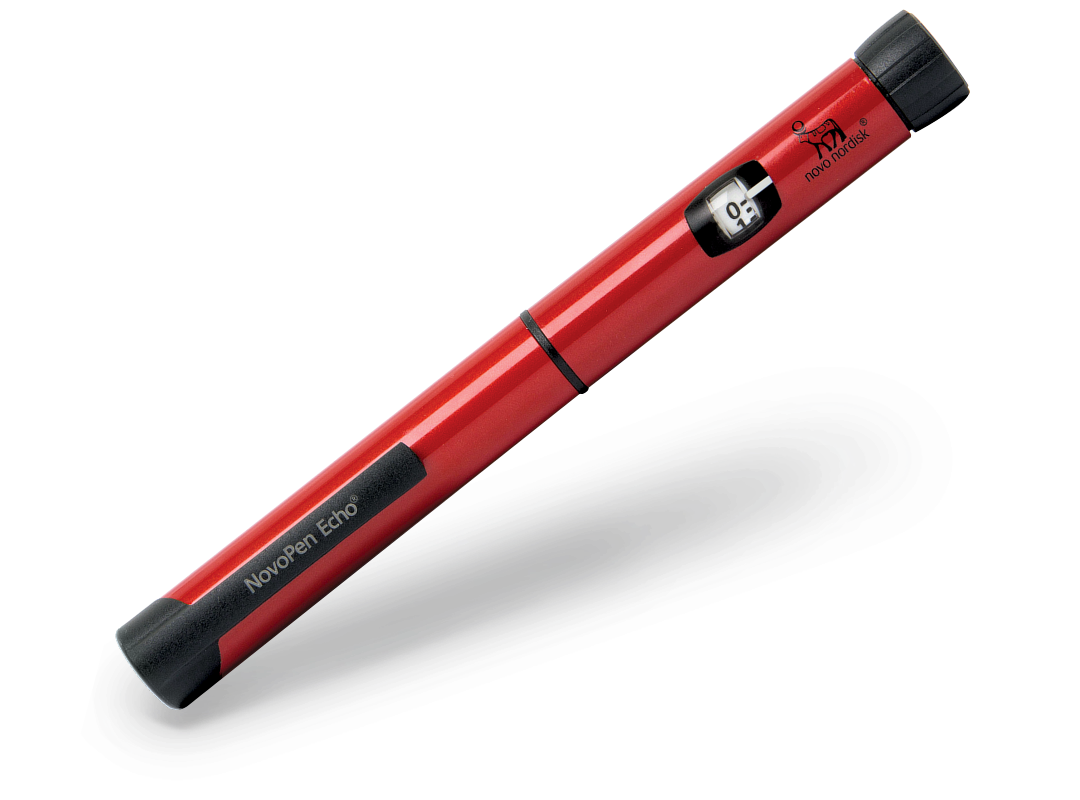
You may be eligible to save on NovoPen Echo® for your Fiasp® PenFill® cartridges
You may be eligible to save on NovoPen Echo® for your NovoLog® PenFill® cartridges
Non-insulin savings offers
Important Safety Information for Ozempic®
What is the most important information I should know about Ozempic®?
Ozempic® may cause serious side effects, including:
- Possible thyroid tumors, including cancer. Tell your health care provider if you get a lump or swelling in your neck, hoarseness, trouble swallowing, or shortness of breath. These may be symptoms of thyroid cancer. In studies with rodents, Ozempic® and medicines that work like Ozempic® caused thyroid tumors, including thyroid cancer. It is not known if Ozempic® will cause thyroid tumors or a type of thyroid cancer called medullary thyroid carcinoma (MTC) in people.
- Do not use Ozempic® if you or any of your family have ever had MTC, or if you have an endocrine system condition called Multiple Endocrine Neoplasia syndrome type 2 (MEN 2).
What is Ozempic®?
Ozempic® (semaglutide) injection 0.5 mg, 1 mg, or 2 mg is an injectable prescription medicine used:
- along with diet and exercise to improve blood sugar (glucose) in adults with type 2 diabetes.
- to reduce the risk of major cardiovascular events such as heart attack, stroke, or death in adults with type 2 diabetes with known heart disease.
- to reduce the risk of kidney disease worsening, kidney failure (end-stage kidney disease), and death due to cardiovascular disease in adults with type 2 diabetes and chronic kidney disease.
It is not known if Ozempic® is safe and effective for use in children.
Important Safety Information
Do not use Ozempic® if:
- you or any of your family have ever had MTC or if you have MEN 2.
- you are allergic to semaglutide or any of the ingredients in Ozempic®. See symptoms of serious allergic reaction in “What are the possible side effects of Ozempic®?”.
Before using Ozempic®, tell your health care provider if you have any other medical conditions, including if you:
- have or have had problems with your pancreas.
- have a history of diabetic retinopathy.
- have severe problems with your stomach, such as slowed emptying of your stomach (gastroparesis) or problems with digesting food.
- are scheduled to have surgery or other procedures that use anesthesia or deep sleepiness (deep sedation).
- are pregnant or breastfeeding or plan to become pregnant or breastfeed. It is not known if Ozempic® will harm your unborn baby or pass into your breast milk. You should stop using Ozempic® at least 2 months before you plan to become pregnant.
Tell your health care provider about all the medicines you take, including prescription and over-the-counter medicines, vitamins, herbal supplements, and other medicines to treat diabetes, including insulin or sulfonylureas.
What are the possible side effects of Ozempic®?
Ozempic® may cause serious side effects, including:
- inflammation of your pancreas (pancreatitis). Stop using Ozempic® and call your health care provider right away if you have severe pain in your stomach area (abdomen) that will not go away, with or without vomiting. You may feel the pain from your abdomen to your back.
- changes in vision. Tell your health care provider if you have changes in vision during treatment with Ozempic®.
- low blood sugar (hypoglycemia). Your risk for getting low blood sugar may be higher if you use Ozempic® with another medicine that can cause low blood sugar, such as a sulfonylurea or insulin. Signs and symptoms of low blood sugar may include: dizziness or lightheadedness, blurred vision, anxiety, irritability or mood changes, sweating, slurred speech, hunger, confusion or drowsiness, shakiness, weakness, headache, fast heartbeat, and feeling jittery.
- dehydration leading to kidney problems. Diarrhea, nausea, and vomiting may cause a loss of fluids (dehydration), which may cause kidney problems. It is important for you to drink fluids to help reduce your chance of dehydration. Tell your health care provider right away if you have nausea, vomiting, or diarrhea that does not go away.
- severe stomach problems. Stomach problems, sometimes severe, have been reported in people who use Ozempic®. Tell your health care provider if you have stomach problems that are severe or will not go away.
- serious allergic reactions. Stop using Ozempic® and get medical help right away if you have any symptoms of a serious allergic reaction, including swelling of your face, lips, tongue, or throat; problems breathing or swallowing; severe rash or itching; fainting or feeling dizzy; or very rapid heartbeat.
- gallbladder problems. Gallbladder problems have happened in some people who take Ozempic®. Tell your healthcare provider right away if you get symptoms which may include: pain in your upper stomach (abdomen), fever, yellowing of the skin or eyes (jaundice), or clay-colored stools.
- food or liquid getting into the lungs during surgery or other procedures that use anesthesia or deep sleepiness (deep sedation). Ozempic® may increase the chance of food getting into your lungs during surgery or other procedures. Tell all your healthcare providers that you are taking Ozempic® before you are scheduled to have surgery or other procedures.
The most common side effects of Ozempic® may include nausea, vomiting, diarrhea, stomach (abdominal) pain, and constipation.
Please see Prescribing Information and Medication Guide for Ozempic®.
Ozempic® is a prescription medication.
You are encouraged to report negative side effects of prescription drugs to the FDA. Visit www.fda.gov/medwatch or call 1‑800‑FDA‑1088.
Important Safety Information for RYBELSUS®
What is the most important information I should know about RYBELSUS®?
RYBELSUS® may cause serious side effects, including:
- Possible thyroid tumors, including cancer. Tell your healthcare provider if you get a lump or swelling in your neck, hoarseness, trouble swallowing, or shortness of breath. These may be symptoms of thyroid cancer. In studies with rodents, RYBELSUS® and medicines that work like RYBELSUS® caused thyroid tumors, including thyroid cancer. It is not known if RYBELSUS® will cause thyroid tumors or a type of thyroid cancer called medullary thyroid carcinoma (MTC) in people
Do not use RYBELSUS® if:
- you or any of your family have ever had MTC, or if you have an endocrine system condition called Multiple Endocrine Neoplasia syndrome type 2 (MEN 2)
- you have had a serious allergic reaction to semaglutide or any of the ingredients in RYBELSUS®. See symptoms of serious allergic reaction in “What are the possible side effects of RYBELSUS®?”
What is RYBELSUS®?
RYBELSUS® (semaglutide) tablets 7 mg or 14 mg is a prescription medicine used along with diet and exercise to improve blood sugar (glucose) in adults with type 2 diabetes.
- RYBELSUS® is not for use in people with type 1 diabetes
- It is not known if RYBELSUS® is safe and effective for use in children
Important Safety Information
Before using RYBELSUS®, tell your healthcare provider if you have any other medical conditions, including if you:
- have or have had problems with your pancreas or kidneys
- have a history of vision problems related to your diabetes
- are scheduled to have surgery or other procedures that use anesthesia or deep sleepiness (deep sedation)
- are pregnant or plan to become pregnant. It is not known if RYBELSUS® will harm your unborn baby. You should stop using RYBELSUS® 2 months before you plan to become pregnant
- are breastfeeding or plan to breastfeed. Breastfeeding is not recommended during treatment with RYBELSUS®
Tell your healthcare provider about all the medicines you take, including prescription and over-the-counter medicines, vitamins, and herbal supplements. RYBELSUS® may affect the way some medicines work and some medicines may affect the way RYBELSUS® works.
How should I take RYBELSUS®?
- Take RYBELSUS® exactly as your healthcare provider tells you to
- Do not take more than 1 tablet each day
- Take RYBELSUS® by mouth on an empty stomach in the morning with a sip of plain water (no more than 4 ounces). Do not take RYBELSUS® with any other liquids besides water
- Do not split, crush, or chew. Swallow RYBELSUS® whole
- After 30 minutes, you can eat, drink, or take other oral medicines
- If you miss a dose of RYBELSUS®, skip the missed dose and go back to your regular schedule
What are the possible side effects of RYBELSUS®?
RYBELSUS® may cause serious side effects, including:
- inflammation of your pancreas (pancreatitis). Stop using RYBELSUS® and call your healthcare provider right away if you have severe pain in your stomach area (abdomen) that will not go away, with or without vomiting. You may feel the pain from your abdomen to your back
- changes in vision. Tell your healthcare provider if you have changes in vision during treatment with RYBELSUS®
- low blood sugar (hypoglycemia). Your risk for getting low blood sugar may be higher if you use RYBELSUS® with another medicine that can cause low blood sugar, such as a sulfonylurea or insulin. Signs and symptoms of low blood sugar may include: dizziness or lightheadedness, blurred vision, anxiety, irritability or mood changes, sweating, slurred speech, hunger, confusion or drowsiness, shakiness, weakness, headache, fast heartbeat, and feeling jittery
- kidney problems (kidney failure). In people who have kidney problems, diarrhea, nausea, and vomiting may cause a loss of fluids (dehydration), which may cause kidney problems to get worse. It is important for you to drink fluids to help reduce your chance of dehydration
- severe stomach problems. Stomach problems, sometimes severe, have been reported in people who use RYBELSUS®. Tell your healthcare provider if you have stomach problems that are severe or will not go away
- serious allergic reactions. Stop using RYBELSUS® and get medical help right away, if you have any symptoms of a serious allergic reaction, including swelling of your face, lips, tongue, or throat; problems breathing or swallowing; severe rash or itching; fainting or feeling dizzy; or very rapid heartbeat
- gallbladder problems. Gallbladder problems have happened in some people who take RYBELSUS®. Tell your healthcare provider right away if you get symptoms of gallbladder problems, which may include: pain in your upper stomach (abdomen), yellowing of skin or eyes (jaundice), fever, and clay-colored stools
- food or liquid getting into the lungs during surgery or other procedures that use anesthesia or deep sleepiness (deep sedation). RYBELSUS® may increase the chance of food getting into your lungs during surgery or other procedures. Tell all your healthcare providers that you are taking RYBELSUS® before you are scheduled to have surgery or other procedures
The most common side effects of RYBELSUS® may include nausea, stomach (abdominal) pain, diarrhea, decreased appetite, vomiting, and constipation. Nausea, vomiting, and diarrhea are most common when you first start RYBELSUS®.
Please see Prescribing Information and Medication Guide for RYBELSUS®.
RYBELSUS® is a prescription medication.
You are encouraged to report negative side effects of prescription drugs to the FDA. Visit www.fda.gov/medwatch or call 1‑800‑FDA‑1088.
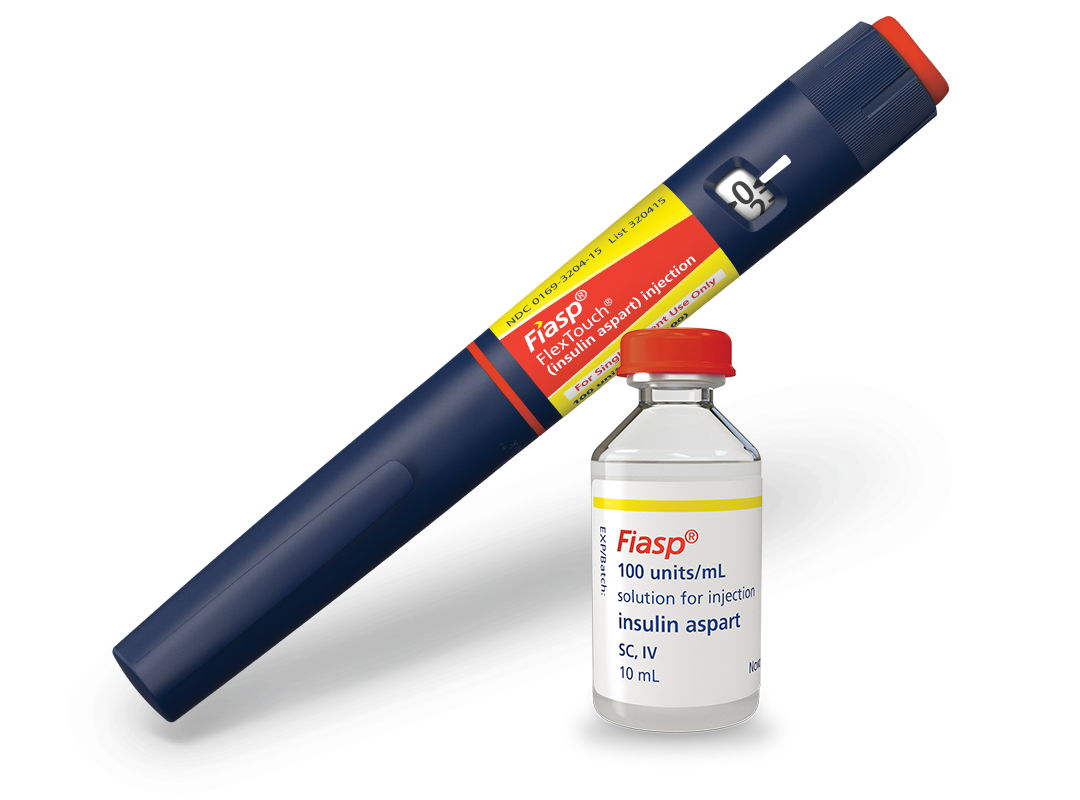
What is Fiasp®?
- Fiasp® (insulin aspart) injection 100 U/mL is a man-made insulin used to control high blood sugar in adults and children with diabetes mellitus.
Important Safety Information
Do not share your Fiasp® with other people, even if the needle has been changed. You may give other people a serious infection, or get a serious infection from them.
Who should not take Fiasp®?
Do not take Fiasp® if:
- your blood sugar is too low (hypoglycemia) or you have an allergy to insulin aspart or any of the ingredients in Fiasp®.
Before taking Fiasp® tell your health care provider about all your medical conditions including, if you:
- have kidney or liver problems
- are pregnant or breastfeeding or plan to become pregnant or breastfeed. It is not known if Fiasp® passes into your breast milk.
- are taking new prescription or over-the-counter medicines, including supplements.
Talk to your health care provider about low blood sugar and how to manage it.
How should I take Fiasp®?
- Read the Instructions for Use and take Fiasp® exactly as your health care provider tells you to.
- Fiasp® starts acting fast. You should take your dose of Fiasp® at the beginning of the meal or within 20 minutes after starting a meal.
- Know the type and strength of your insulin. Do not change your insulin type unless your health care provider tells you to.
Change (rotate) your injection sites within the area you choose with each injection to reduce your risk of getting pits in skin or thickened skin (lipodystrophy) and skin with lumps (localized cutaneous amyloidosis) at the injection sites.
- Do not use the exact same spot for each injection.
- Do not inject where the skin has pits, is thickened, or has lumps.
- Do not inject where the skin is tender, bruised, scaly or hard, or into scars or damaged skin.
- If you miss a dose of Fiasp® monitor your blood sugar levels to decide if an insulin dose is needed. Continue with your regular dosing schedule at the next meal.
- Check your blood sugar levels. Ask your health care provider what your blood sugar levels should be and when you should check them.
- Do not reuse or share your needles with other people. You may give other people a serious infection or get a serious infection from them.
What should I avoid while taking Fiasp®?
- Do not drive or operate heavy machinery, until you know how Fiasp® affects you.
- Do not drink alcohol or use medicines that contain alcohol.
What are the possible side effects of Fiasp®?
Serious side effects can lead to death, including:
- Low blood sugar (hypoglycemia). Some signs and symptoms include: anxiety, irritability, mood changes, dizziness or light-headedness, sweating, blurred vision, slurred speech, hunger, confusion, headache, shakiness, and fast heart beat.
- low potassium in your blood (hypokalemia).
- serious allergic reactions (whole body reactions). Get emergency medical help right away if you have a rash over your whole body; trouble breathing; a fast heartbeat; swelling of your face, tongue or throat; sweating; extreme drowsiness; dizziness, or confusion.
- heart failure. Taking certain diabetes pills called TZDs (thiazolidinediones) with Fiasp® may cause heart failure in some people. This can happen even if you have never had heart failure or heart problems before. If you already have heart failure it may get worse while you take TZDs with Fiasp®. Your health care provider should monitor you closely while you are taking TZDs with Fiasp®. Tell your health care provider if you have any new or worse symptoms of heart failure including shortness of breath, swelling of your ankles or feet, or sudden weight gain.
Your insulin dose may need to change because of:
- weight gain or loss, increased stress, illness, or change in diet or level of physical activity
Common side effects of Fiasp® may include:
- skin problems such as eczema, rash, itching, redness and swelling of your skin (dermatitis), reactions at the injection site such as itching, rash, skin thickening or pits at the injection site (lipodystrophy), or weight gain.
Please see Prescribing Information for Fiasp®.
Fiasp® is a prescription medication.
You are encouraged to report negative side effects of prescription drugs to the FDA. Visit www.fda.gov/medwatch or call 1‑800‑FDA‑1088.
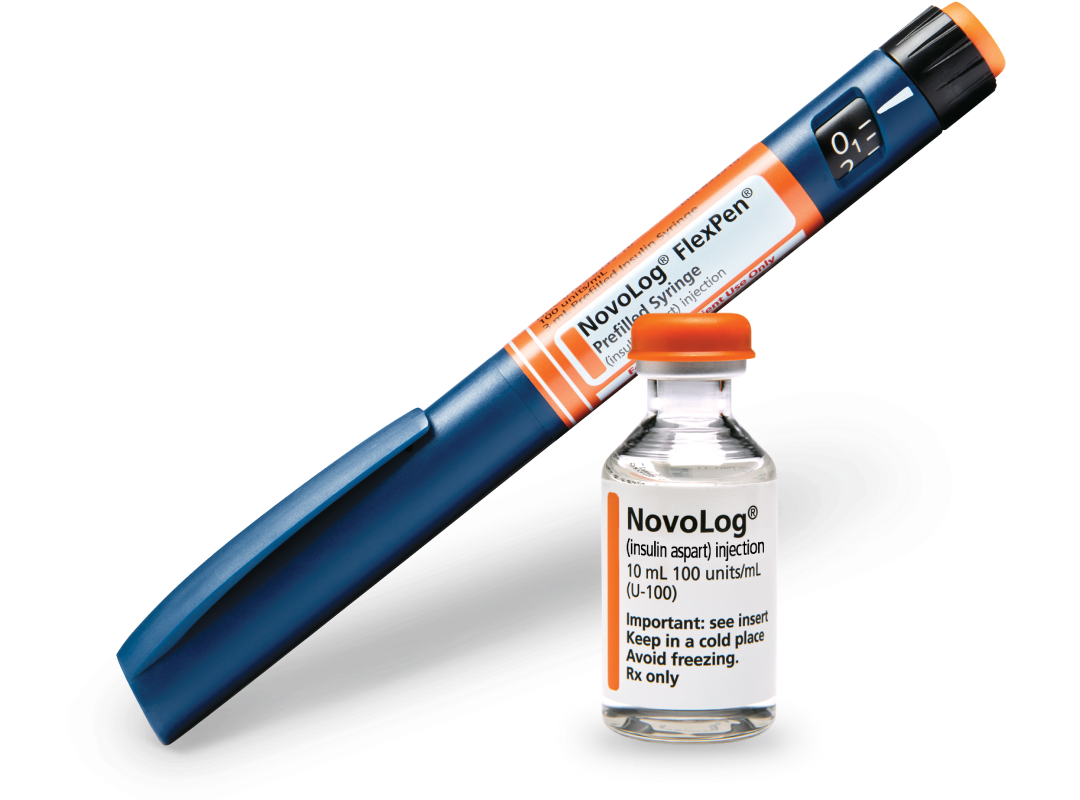
What is NovoLog®?
- NovoLog® (insulin aspart) injection 100 U/mL is a man-made insulin used to control high blood sugar in adults and children with diabetes mellitus.
Important Safety Information
Do not share your NovoLog® FlexPen®, NovoLog® FlexTouch®, PenFill® cartridge or PenFill® cartridge compatible insulin delivery device with other people, even if the needle has been changed. You may give other people a serious infection, or get a serious infection from them.
Who should not take NovoLog®?
Do not take NovoLog® if:
- your blood sugar is too low (hypoglycemia) or you are allergic to NovoLog® or any of its ingredients.
Before taking NovoLog®, tell your health care provider about all your medical conditions including, if you are:
- pregnant, plan to become pregnant, or are breastfeeding.
- taking new prescription or over-the-counter medicines, including supplements.
Talk to your health care provider about how to manage low blood sugar.
How should I take NovoLog®?
- Read the Instructions for Use and take exactly as directed.
- NovoLog® starts acting fast. Eat a meal within 5 to 10 minutes after taking it.
- Know the type and strength of your insulin. Do not change your insulin type unless your health care provider tells you to.
- Check your blood sugar levels. Ask your health care provider what your blood sugar levels should be and when you should check them.
- Do not reuse or share your needles with other people. You may give other people a serious infection, or get a serious infection from them.
- Change (rotate) your injection sites within the area you choose with each injection to reduce your risk of getting lipodystrophy (pits in skin or thickened skin) and localized cutaneous amyloidosis (skin with lumps) at the injection sites.
- Do not use the exact same spot for each injection.
- Do not inject where the skin has pits, is thickened, or has lumps.
- Do not inject where the skin is tender, bruised, scaly or hard, or into scars or damaged skin.
What should I avoid while taking NovoLog®?
- Do not drive or operate heavy machinery, until you know how NovoLog® affects you.
- Do not drink alcohol or use medicines that contain alcohol.
What are the possible side effects of NovoLog®?
Serious side effects can lead to death, including:
Low blood sugar. Some signs and symptoms include:
- anxiety, irritability, mood changes, dizziness, sweating, confusion, and headache.
Your insulin dose may need to change because of:
- weight gain or loss, increased stress, illness, or change in diet or level of physical activity.
Other common side effects may include:
- low potassium in your blood, injection site reactions, itching, rash, serious whole body allergic reactions, skin thickening or pits at the injection site, weight gain, and swelling of your hands and feet.
Get emergency medical help if you have:
- trouble breathing, shortness of breath, fast heartbeat, swelling of your face, tongue, or throat, sweating, extreme drowsiness, dizziness, or confusion.
Please see Prescribing Information for NovoLog®.
NovoLog® is a prescription medication.
You are encouraged to report negative side effects of prescription drugs to the FDA. Visit www.fda.gov/medwatch or call 1‑800‑FDA‑1088.
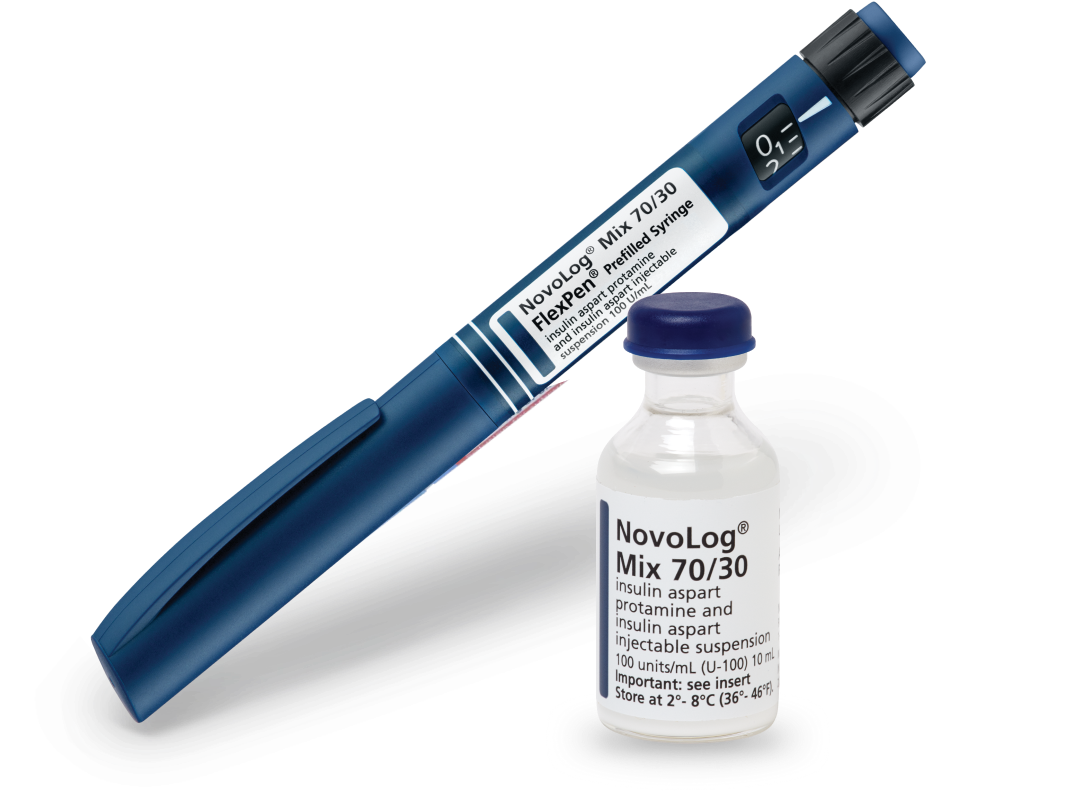
What is NovoLog® Mix 70/30?
- NovoLog® Mix 70/30 (insulin aspart protamine and insulin aspart) injectable suspension 100 U/mL is a man-made insulin used to control high blood sugar in people with diabetes mellitus.
- It is not known if NovoLog® Mix 70/30 is safe and effective in children.
Important Safety Information
Do not share your NovoLog® Mix 70/30 FlexPen® with other people, even if the needle has been changed. Do not share needles or syringes with another person. You may give other people a serious infection, or get a serious infection from them.
Who should not take NovoLog® Mix 70/30?
- Do not take NovoLog® Mix 70/30 if you are having an episode of low blood sugar (hypoglycemia) or you have an allergy to NovoLog® Mix 70/30 or any of its ingredients.
Before taking NovoLog® Mix 70/30, tell your healthcare provider about all your medical conditions including, if you are:
- pregnant, planning to become pregnant, or are breastfeeding.
- taking new prescription or over-the-counter medicines, including supplements.
Before you start taking NovoLog® Mix 70/30, talk to your health care provider about low blood sugar and how to manage it.
How should I take NovoLog® Mix 70/30?
- Read the Instructions for Use and take exactly as directed by your healthcare provider.
- NovoLog® Mix 70/30 starts acting fast. If you have type 1 diabetes, inject within 15 minutes before you eat a meal. Do not inject NovoLog® Mix 70/30 if you are not planning to eat within 15 minutes. If you have type 2 diabetes, you may inject up to 15 minutes before or after starting your meal.
- Do not mix NovoLog® Mix 70/30 with other insulin products or use in an insulin pump.
- Know the type and strength of your insulin. Do not change your insulin type unless your health care provider tells you to.
- Check your blood sugar levels. Ask your health care provider what your blood sugar levels should be and when you should check them.
- Do not reuse or share your needles or syringes with other people. You may give other people a serious infection, or get a serious infection from them.
- NovoLog® Mix 70/30 is injected under the skin (subcutaneously) of your stomach area, buttocks, upper legs, or upper arms.
- Change (rotate) your injection sites within the area you choose with each injection to reduce your risk of getting lipodystrophy (pits in skin or thickened skin) and localized cutaneous amyloidosis (skin with lumps) at the injection sites.
- Do not use the exact same spot for each injection.
- Do not inject where the skin has pits, is thickened, or has lumps.
- Do not inject where the skin is tender, bruised, scaly or hard, or into scars or damaged skin.
What should I avoid while taking NovoLog® Mix 70/30?
- Do not drive or operate heavy machinery, until you know how NovoLog® Mix 70/30 affects you.
- Do not drink alcohol or use medicines that contain alcohol.
What are the possible side effects of NovoLog® Mix 70/30?
Serious side effects can lead to death, including:
Low blood sugar (hypoglycemia). Some signs and symptoms include:
- Dizziness, light-headedness, sweating, confusion, headache, blurred vision, slurred speech, shakiness, fast heart rate, anxiety, irritability, mood changes, and hunger.
Your insulin dose may need to change because of:
- weight gain or loss, increased stress, illness, or change in diet or level of physical activity.
Other common side effects may include:
- low potassium in your blood (hypokalemia), reactions at the injection site, itching, rash, serious allergic reactions (whole body reactions), skin thickening or pits at the injection site (lipodystrophy), weight gain, and swelling of your hands and feet.
Get emergency medical help if you have:
- trouble breathing, shortness of breath, fast heartbeat, swelling of your face, tongue, or throat, sweating, extreme drowsiness, dizziness, or confusion.
Please see Prescribing Information for NovoLog® Mix 70/30.
NovoLog® Mix 70/30 is a prescription medication.
You are encouraged to report negative side effects of prescription drugs to the FDA. Visit www.fda.gov/medwatch or call 1‑800‑FDA‑1088.
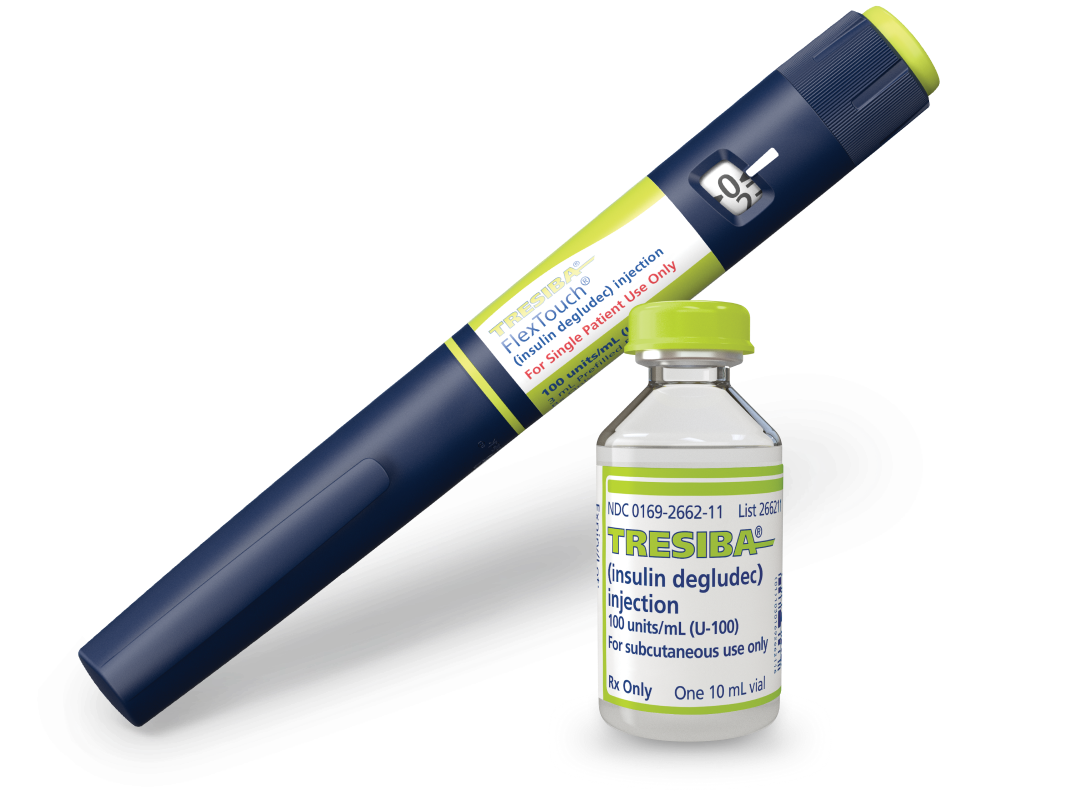
What is Tresiba®?
- Prescription Tresiba® (insulin degludec) injection 100 U/mL or 200 U/mL is a long-acting insulin used to control high blood sugar in adults and children who are 1 year of age and older with diabetes
- Tresiba® is not for people with diabetic ketoacidosis (increased ketones in the blood or urine)
- It is not known if Tresiba® is safe and effective in children under 1 year of age
- Tresiba® is available in 2 concentrations: 200 units/mL and 100 units/mL
Important Safety Information
Do not share your Tresiba® FlexTouch® with other people, even if the needle has been changed. Do not share needles or syringes with another person. You may give other people a serious infection, or get a serious infection from them.
Who should not take Tresiba®?
Do not take Tresiba® if you:
- are having an episode of low blood sugar (hypoglycemia)
- have an allergy to Tresiba® or any of the ingredients in Tresiba®
Before taking Tresiba®, tell your health care provider about all your medical conditions, including if you are:
- pregnant, planning to become pregnant, or are breastfeeding
- taking new prescription or over-the-counter medicines, vitamins, or herbal supplements
Talk to your health care provider about low blood sugar and how to manage it.
How should I take Tresiba®?
- Read the Instructions for Use and take Tresiba® exactly as your health care provider tells you to
- Do not do any conversion of your dose. The dose counter always shows the selected dose in units
- Know the type and strength of insulin you take. Do not change the type of insulin you take unless your health care provider tells you to
- Adults - If you miss or are delayed in taking your dose of Tresiba®:
- Take your dose as soon as you remember, then continue with your regular dosing schedule
- Make sure there are at least 8 hours between doses
- Take your dose as soon as you remember, then continue with your regular dosing schedule
- If children miss a dose of Tresiba®:
- Call the healthcare provider for information and instructions about checking blood sugar levels more often until the next scheduled dose of Tresiba®
- For children who need less than 5 units of Tresiba® each day, use a Tresiba® U-100 vial
- Check your blood sugar levels. Ask your health care provider what your blood sugar levels should be and when you should check them
- Do not reuse or share your needles or syringes with other people. You may give them a serious infection, or get a serious infection from them
- Never inject Tresiba® into a vein or muscle
- Never use a syringe to remove Tresiba® from the FlexTouch® pen
- Tresiba® can be injected under the skin (subcutaneously) of your upper legs (thighs), upper arms, or stomach area (abdomen).
- Change (rotate) your injection sites within the area you choose with each injection to reduce your risk of getting lipodystrophy (pits in skin or thickened skin) and localized cutaneous amyloidosis (skin with lumps) at the injection sites.
- Do not use the exact same spot for each injection.
- Do not inject where the skin has pits, is thickened, or has lumps.
- Do not inject where the skin is tender, bruised, scaly or hard, or into scars or damaged skin.
What should I avoid while taking Tresiba®?
- Do not drive or operate heavy machinery, until you know how Tresiba® affects you
- Do not drink alcohol or use prescription or over-the-counter medicines that contain alcohol
What are the possible side effects of Tresiba®?
Tresiba® may cause serious side effects that can be life-threatening, including:
- Low blood sugar (hypoglycemia). Signs and symptoms that may indicate low blood sugar include dizziness, light-headedness, sweating, confusion, headache, blurred vision, slurred speech, shakiness, fast heart beat, anxiety, irritability, mood changes, and hunger.
- Low potassium in your blood (hypokalemia)
- Heart failure in some people if taken with thiazolidinediones (TZDs). This can happen even if you have never had heart failure or heart problems. If you already have heart failure, it may get worse while you take TZDs with Tresiba®. Tell your health care provider if you have any new or worse symptoms of heart failure including shortness of breath, tiredness, swelling of your ankles or feet, and sudden weight gain
Your insulin dose may need to change because of change in level of physical activity or exercise, increased stress, change in diet, weight gain or loss, or illness.
- Common side effects may include serious allergic reactions (whole body reactions), reactions at the injection site, skin thickening or pits at the injection site (lipodystrophy), itching, rash, swelling of your hands and feet, and weight gain.
Get emergency medical help if you have trouble breathing, shortness of breath, fast heartbeat, swelling of your face, tongue, or throat, sweating, extreme drowsiness, dizziness, or confusion.
Please see Prescribing Information for Tresiba®.
Tresiba® is a prescription medication.
You are encouraged to report negative side effects of prescription drugs to the FDA. Visit www.fda.gov/medwatch or call 1‑800‑FDA‑1088.